
Microsoft Seller Tools
Designing for scale
Year
2019 - 2025
EmployeR
Microsoft
SERVICES
Product Design
I consulted on a project to revamp the internal Microsoft Configure, Price, Quote (CPQ) tool with the goal of improving clarity in the experience while making it more visually appealing overall. This was a newer initiative that would replace the previous tool Microsoft sellers were using tied to an earlier customer agreement structure that was bloated, requiring a new signing by customers for any new software. This wasn’t aligned to the subscription and consumption-based approaches Microsoft was moving towards, as well as the greater flexibility and speed required of a modern tool. One year after proving to the team my value as a consultant I was hired full time to help grow the tool to match Microsoft’s ambitions for it.
Due to the internal nature of the tool the designs are presented in a blurred format, but I am more than happy to walk you through the work in a more direct manner.
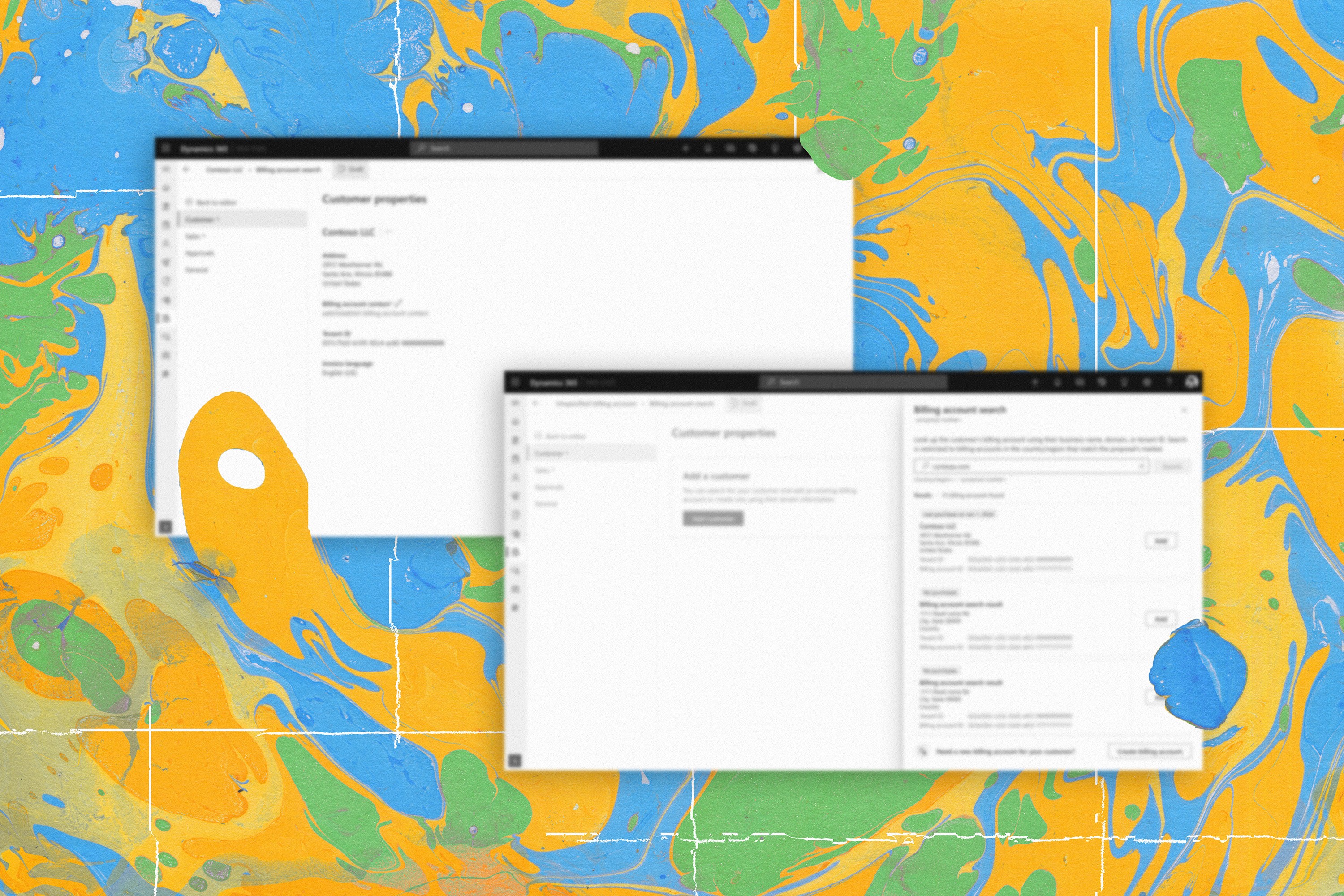
More specifics can be shared in a private interview, but the tool navigated the seller through customer selection, ensuring a white-glove service for the provisioning and distribution of products/discounts into the customer's cloud.
Early on the product and engineering teams were structured more like a startup with the goal of moving fast to provide immediate value. As the size of the tool grew, I took ownership over the quoting tool including designing all of the new features across its agreement modification, and product and discount configurations. Prior to a broad organizational restructuring, I was supporting five engineering teams, amounting to around 40 engineers total.
New features were predominantly focused on meeting business needs as the landscape shifted over the 5 years working on the product. This required flexibility to manage multiple projects with differing timelines and to effectively prioritize what features were most impactful. Features varied in size, clarity, and impact, which meant that it was incumbent on me to determine the optimal process and priority for each feature and what research tasks I needed to take on to ensure I had the right insights to craft the experience for our Microsoft sellers. This also gave me the opportunity to prioritize quality of life features for our sellers in combination with the business features to further optimize the experience for our sellers allowing them to focus more on building customer connections.
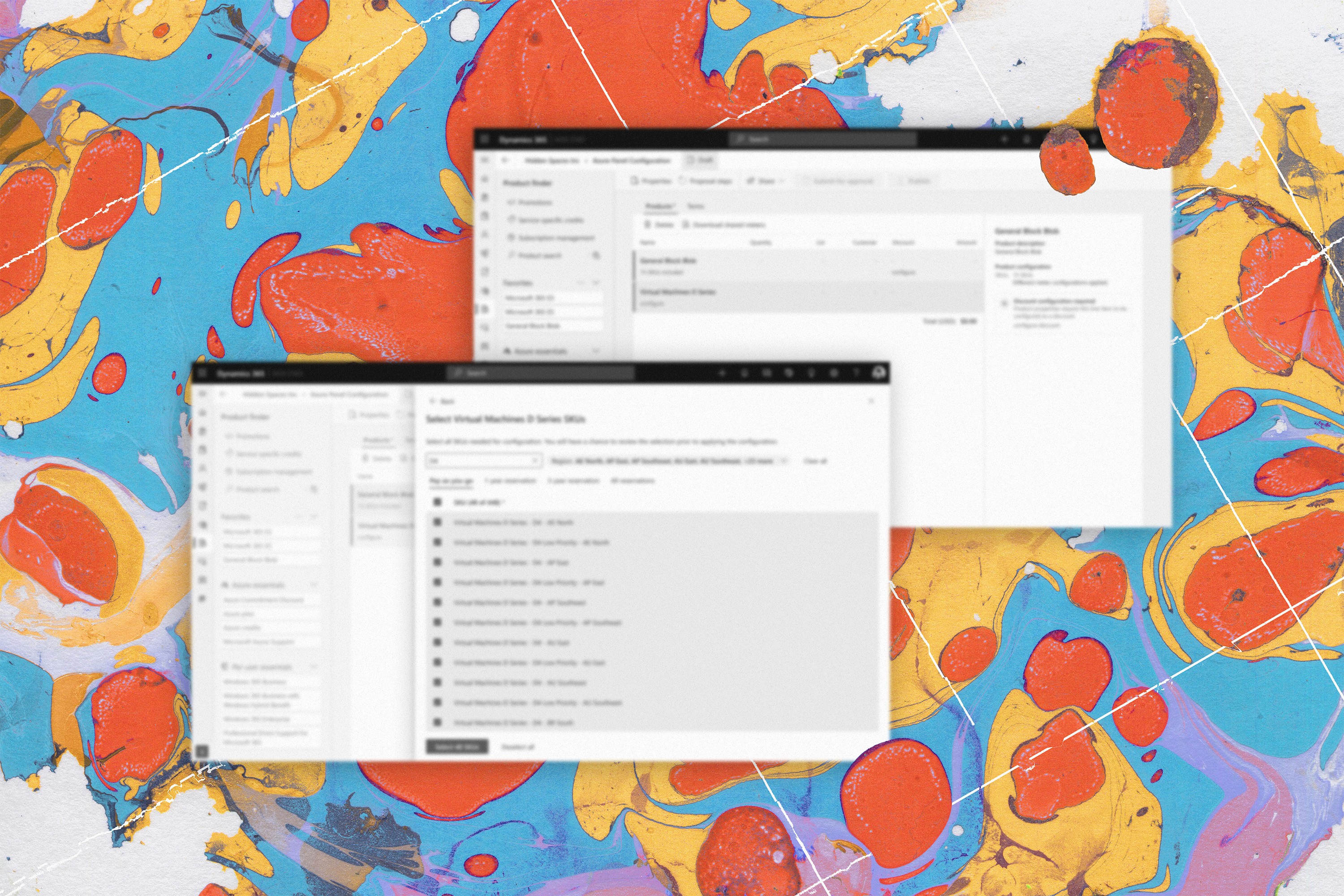
Product configuration could be complex and required a flexible design to handle the many configurations Azure resources could appear as.
One project that exemplifies my ability to connect across disciplines focused on providing clear navigation and selection of Azure workloads, with limited support for adjustment to the underlying API’s driving that configuration. After a round of user interviews, data analysis of the types of Azure workloads, collaboration with engineers and PM to test our understanding, iteration on different designs and user studies to highlight areas for improvement I was able to produce a design that quickly supported complex customizations for the broad variety of Azure services, that had sellers emailing me enthusiastically asking when it would be released.
Feedback from the user studies pushed me to streamline the product configuration flow by adopting a browse and add to cart approach which improved clarity for the sellers removing an earlier and confusing step. User feedback is just one step of the process to a strong design, however and I was particularly proud of the time spent understanding the APIs supporting the feature. It allowed me to find a creative solution using quick filters that navigate the broad but basic response, decreasing the time it took for sellers to find specific locations or services. Getting into the weeds and working closely with engineers to produce effective designs that are technically practical is core to my working approach.
For complex features like this, it was important to support the engineers through delivery to ensure a successful launch. My approach was multifold starting with clear documentation covering component usage, accessibility annotations, specifications covering the changes being made, error-handling and any edge cases that might arise. While the engineers were working on the feature, I made sure to make myself available to help clarify any confusion and to navigate them through the complexity of space. This resulted in fostering strong relationships with members of the engineering team building a trust through alignment in our shared goals. This was also commended by my managers as they could see the impact it was having on new team members and their ability to quickly grow in the space.
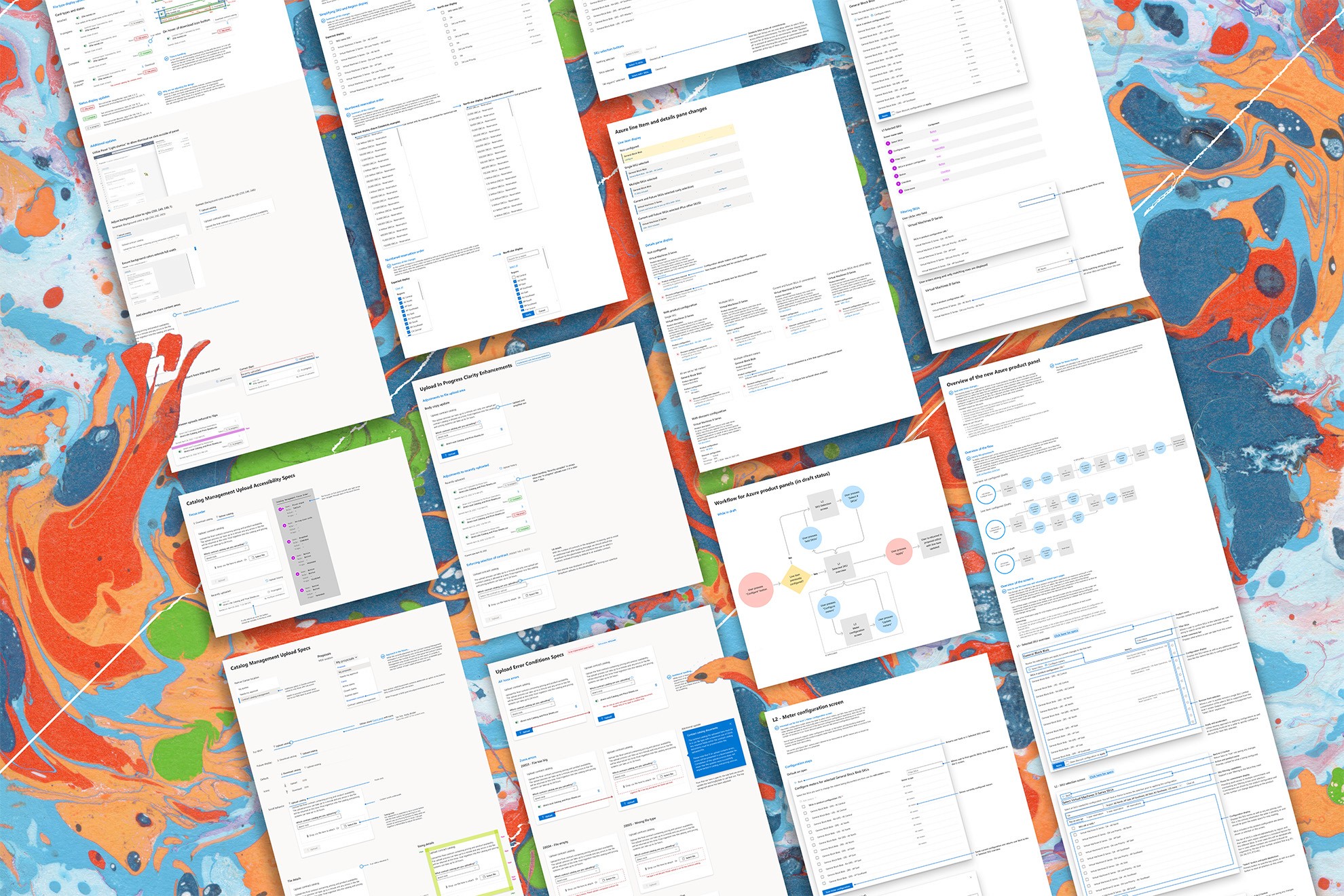
The specifications I built out for the features brought clarity to the engineers implementing the feature, reducing churn and improving implementation.
To give a sense of the breadth of features I worked on during my time at Microsoft, a seller could search available promotions that their customer was eligible for, manage subscriptions the customer owned, and establish discounts across the full suite of Microsoft products with capabilities to define it down to a regional data center level or establish a ceiling price on a product. Tto ensure compliance with Microsoft's rules, I gave careful consideration to the ways the system would inform and route the deal for approval from the right level of authorization within the company based on the content and size of the deal.
For large enterprises, where so much of the deal is focused on the language of the agreement, I designed specific views for authorized users to customize the language of an agreement, adding and editing, while ensuring access to approval levels and clarity for funding agreements verified in other portals within Microsoft. Finally, in adding customization options on the output, the seller could then dynamically generate the agreement to share with the customer for additional negotiation or for specific customer-defined signing approaches. Approaching this work with a growth mindset was essential as there were new topics to learn in familiarizing myself with complex enterprise-level negotiations.
I was able to shepherd the user experience of the tool from being used by a small group of sellers, focused predominantly on referrals and small Azure deals, to a large complex tool supporting Azure, Copilot, and Microsoft’s suite of enterprise subscriptions with agreement customization that was closing in on handling 99% of Microsoft business deals. It was essential to Microsoft’s business and over a billion dollars was transacted through system with more resulting from the consumption of cloud-based resources.
" height="2.1187359513420594px" id="P5kIJB7Ko" transform="translate(4.268 0)" width="11.73219480873486px"/><path d="M 2.13 11.637 L 0 11.637 L 0 0 L 2.13 0 Z" fill="rgb(15, 14, 14)" height="11.636652122173734px" id="xBplekXaY" transform="translate(13.87 0)" width="2.1296344887445002px"/><path d="M 1.509 14.942 L 0 13.447 L 13.563 0 L 15.073 1.496 Z" fill="rgb(15, 14, 14)" height="14.94221869628454px" id="DEz5S9WYM" transform="translate(0 1.058)" width="15.072818848944806px"/></g></svg>)
Contact
↴